
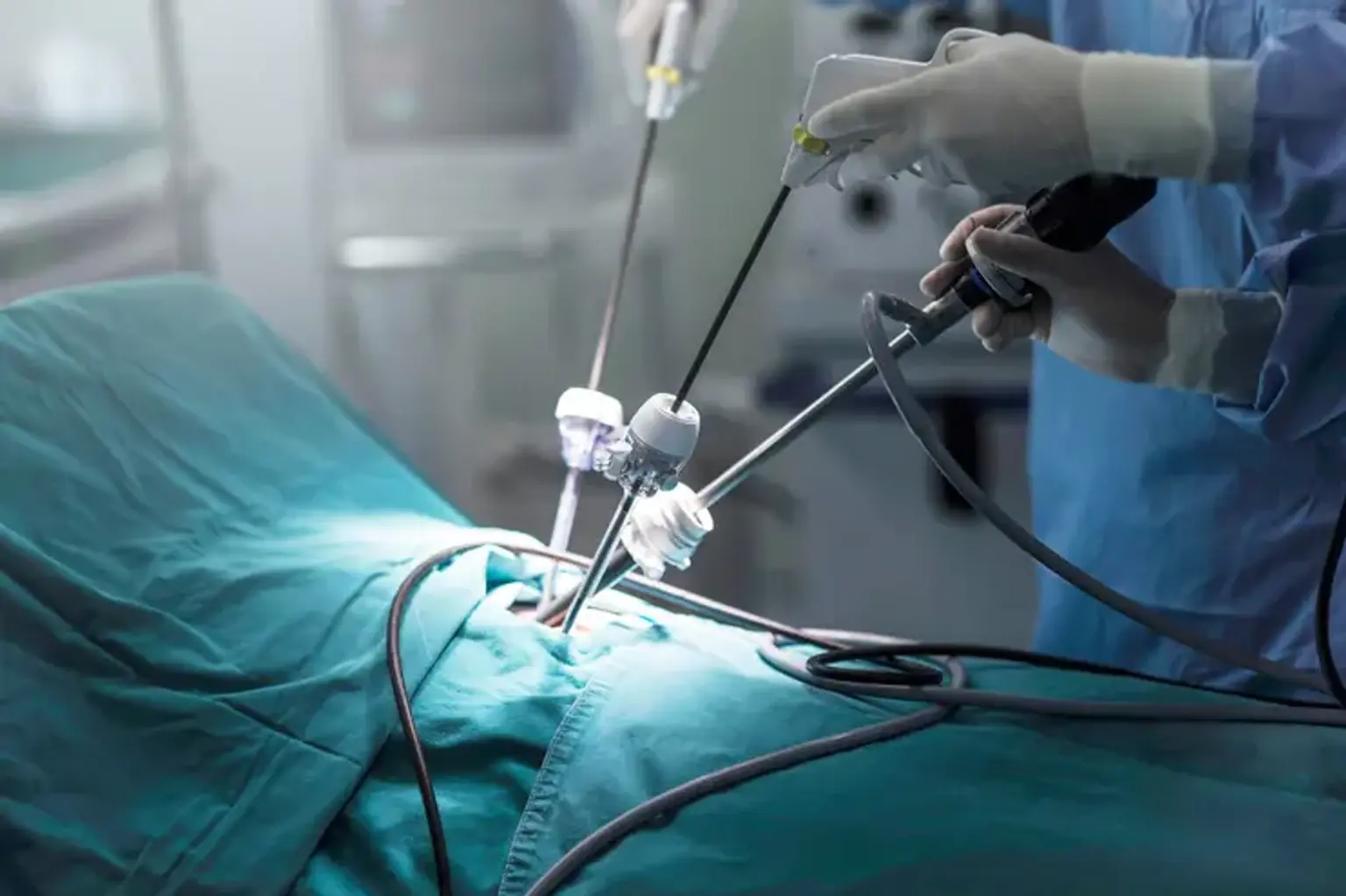
Advancements in medical technology have transformed gynecological care, making surgeries safer, less invasive, and more effective. One of the most significant innovations is laparoscopic gynecological surgery, a minimally invasive procedure used to diagnose and treat a variety of conditions affecting the female reproductive system. This type of surgery offers numerous benefits over traditional open surgery, including faster recovery, smaller scars, and reduced pain. Understanding how it works and when it’s recommended can help women make informed decisions about their health.
What is Laparoscopic Gynecological Surgery?
Laparoscopic surgery, often called keyhole surgery, involves making small incisions in the abdomen through which a thin, flexible tube with a camera (laparoscope) is inserted. This allows the surgeon to view the internal organs on a monitor and perform surgical procedures using specialized instruments. Unlike conventional open surgery, which requires larger incisions, laparoscopy is minimally invasive, reducing trauma to the body and improving recovery times.
Common Gynecological Conditions Treated with Laparoscopy
Laparoscopic surgery can be used for both diagnostic and therapeutic purposes. Some common conditions include:
- Endometriosis: Removal of endometrial tissue that grows outside the uterus, reducing pain and improving fertility.
- Ovarian Cysts: Safe removal of cysts without extensive damage to the ovary.
- Fibroids (Myomectomy): Removal of uterine fibroids while preserving the uterus for women wishing to maintain fertility.
- Ectopic Pregnancy: Management of pregnancy occurring outside the uterus, typically in the fallopian tubes.
- Pelvic Adhesions: Removal of scar tissue that can cause pain or infertility.
- Hysterectomy: In some cases, complete removal of the uterus may be performed laparoscopically.
Laparoscopy is also commonly used for diagnostic purposes, helping doctors investigate infertility, chronic pelvic pain, or unexplained pelvic conditions.
Benefits of Laparoscopic Surgery
Compared to traditional open surgery, laparoscopic gynecological procedures offer several advantages:
- Minimal Scarring: Small incisions leave only tiny scars that heal quickly and are cosmetically favorable.
- Shorter Hospital Stay: Most procedures are outpatient or require minimal hospitalization, reducing healthcare costs.
- Reduced Pain and Discomfort: Smaller incisions result in less post-operative pain and faster recovery.
- Faster Return to Daily Life: Women can resume normal activities sooner compared to conventional surgery.
- Lower Risk of Infection: Less exposure of internal organs reduces the likelihood of infection and other complications.
These benefits make laparoscopic surgery a preferred choice for many gynecological procedures, especially for women concerned about recovery time, cosmetic outcomes, or future fertility.
Who is a Candidate for Laparoscopic Gynecological Surgery?
Not every patient is suitable for laparoscopy. Ideal candidates are women with:
- Conditions like ovarian cysts, fibroids, or endometriosis that can be safely addressed through minimally invasive techniques.
- Good overall health and no severe comorbidities that would complicate anesthesia or surgery.
- Desire to preserve fertility when applicable.
A gynecologist will evaluate your medical history, current condition, and imaging results to determine whether laparoscopy is the best approach. In some complex cases, open surgery may still be recommended.
What to Expect Before, During, and After Surgery
Before Surgery:
- Detailed consultation with your gynecologist to discuss the procedure, risks, and benefits.
- Pre-operative tests such as blood work, ultrasound, or MRI scans.
- Instructions on fasting, medication adjustments, and preparation for anesthesia.
During Surgery:
- The procedure is usually performed under general anesthesia.
- Small incisions are made in the abdomen, and the laparoscope is inserted for visualization.
- Specialized instruments are used to perform the necessary procedure while monitoring on a screen.
After Surgery:
- Most patients experience mild discomfort and can be discharged within 24–48 hours for minor procedures.
- Recovery includes light activity initially, gradual resumption of normal tasks, and following the doctor’s post-operative care instructions.
- Follow-up visits are important to ensure proper healing and monitor for any complications.
Risks and Considerations
While laparoscopic surgery is generally safe, potential risks include:
- Bleeding or injury to surrounding organs
- Infection at incision sites
- Rare complications related to anesthesia
- Formation of adhesions in some cases
Choosing an experienced gynecologist and a well-equipped hospital minimizes these risks and ensures optimal outcomes.
Conclusion
Laparoscopic gynecological surgery has revolutionized women’s healthcare by offering minimally invasive solutions for complex conditions. With faster recovery, minimal scarring, and reduced complications, it allows women to maintain their health, fertility, and quality of life. Regular consultations with a qualified gynecologist can help determine whether this procedure is suitable and ensure that it is performed safely.
For expert laparoscopic gynecological care and comprehensive women’s health services, you can visit:
Orange Healthcare – Gynecologist and Obstetrician in Wakad
📍 110, KHINVASARA Trade Center, Datta Mandir Rd, Mangal Nagar, Thergaon, Pimpri-Chinchwad, Maharashtra – 411033
Orange Healthcare is a 24×7 maternity hospital offering advanced gynecological procedures, laparoscopic surgeries, and personalized care, ensuring safe and effective treatment for women at every stage of life.