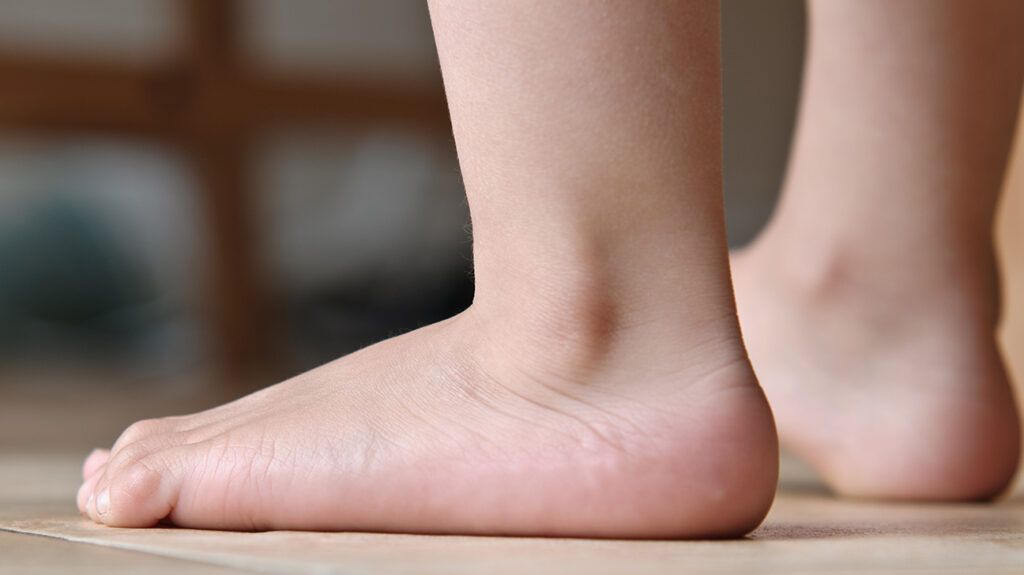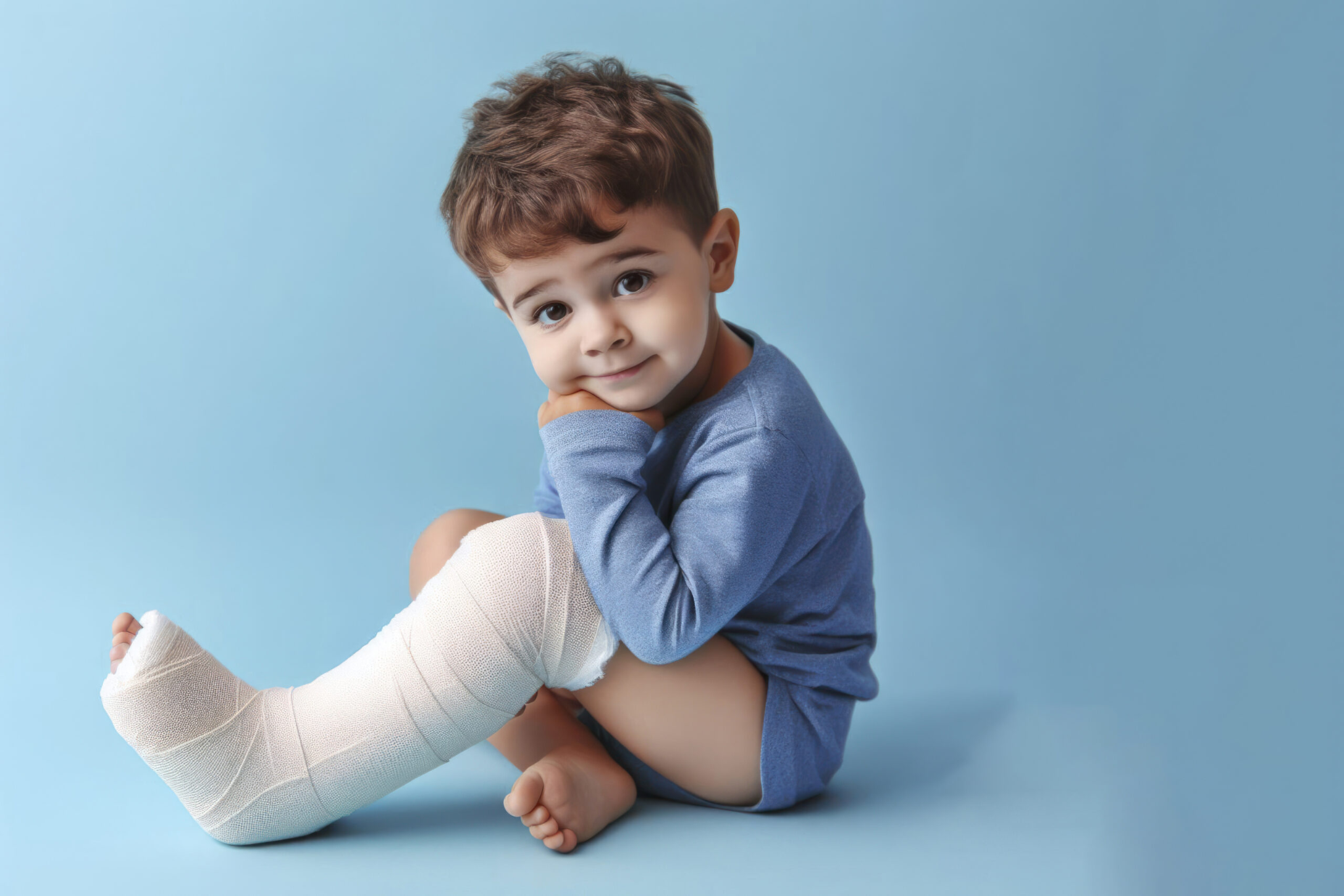
Is Your Child’s Walking Pattern Normal? A Complete Parent’s Guide to Gait Concerns

Is Your Child’s Walking Pattern Normal? A Complete Parent’s Guide to Gait Concerns Seeing your child learn to walk is an exciting and emotional milestone. As they begin to move more independently, you may notice certain walking habits that seem unusual. Some children walk on their toes, while others turn their feet inward or outward.…

Read More

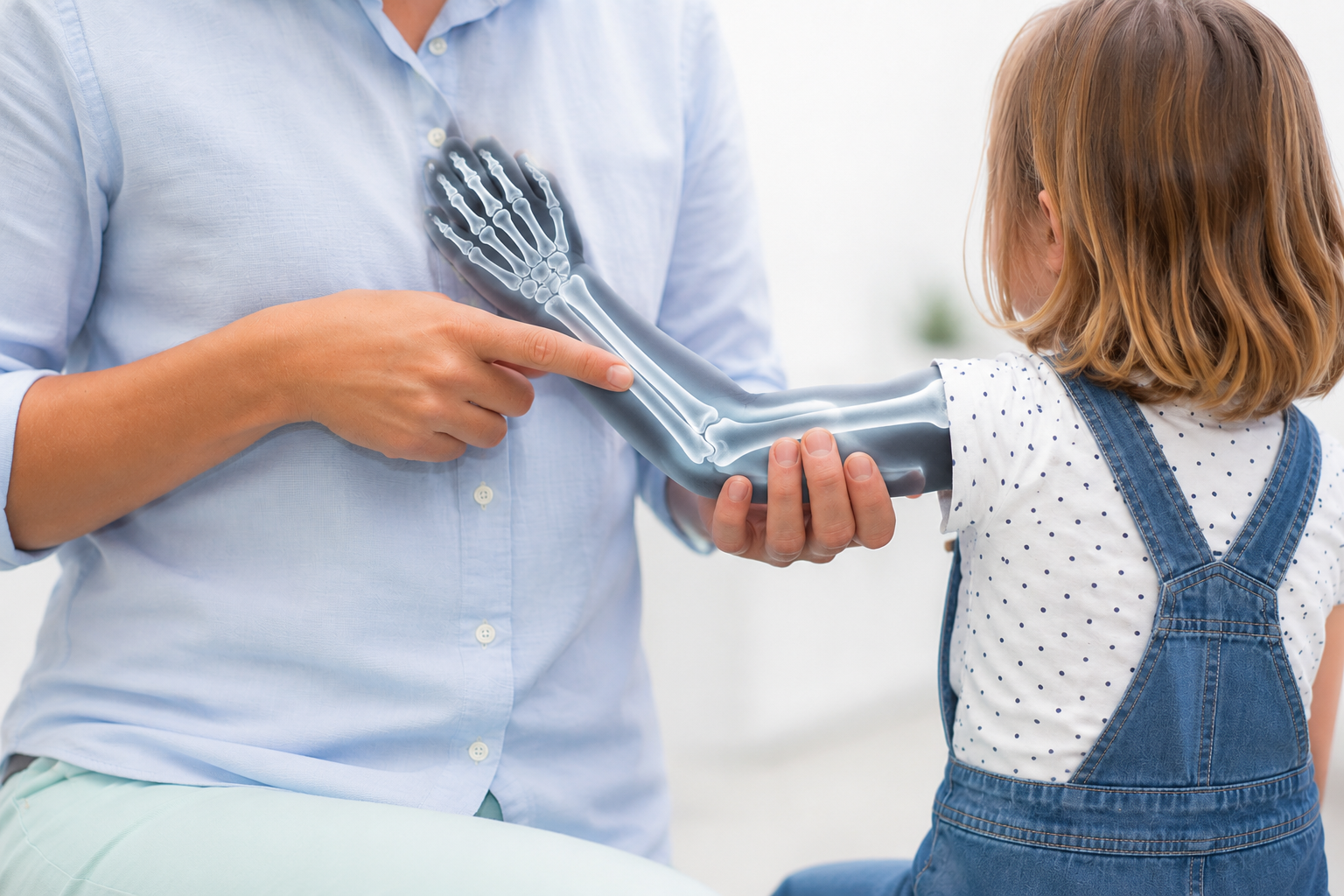
How to Identify Bone Problems in Children Before Symptoms Appear

How to Identify Bone Problems in Children Before Symptoms Appear As parents, we often wait for clear signs like pain or difficulty in movement before seeking medical help. However, many bone problems in children develop silently and may not show obvious symptoms in the early stages. Identifying these issues early is essential to prevent complications…

Read More

Healthy Weight Gain Tips for Underweight Children: A Parent’s Complete Guide

Healthy Weight Gain Tips for Underweight Children: A Parent’s Complete Guide Many parents worry when their child appears thinner than other children of the same age. While some children are naturally lean, being underweight can sometimes affect immunity, energy levels, and overall growth. The good news is that healthy weight gain is possible with the…

Read More

Clubfoot Treatment in Children: Modern Approaches & Outcomes

Clubfoot, medically known as Congenital Talipes Equinovarus, is one of the most common congenital foot deformities, affecting approximately 1 in every 1,000 newborns. In children born with clubfoot, one or both feet are twisted inward and downward, making it difficult to place the sole flat on the ground. Without treatment, clubfoot can lead to walking…

Read More

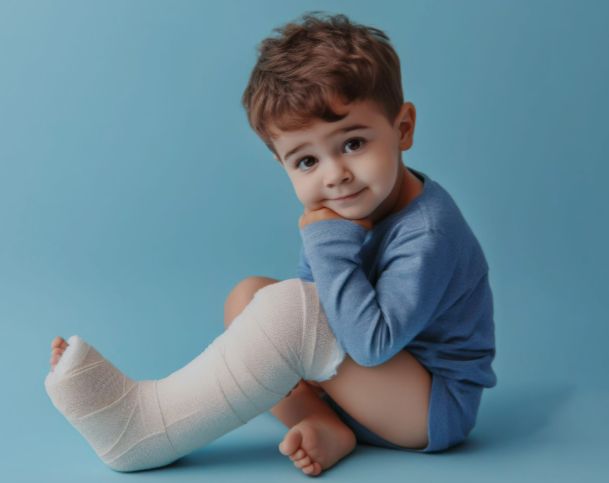
How to Help Your Child Recover Faster After an Orthopaedic Injury

Orthopedic injuries in children—such as fractures, sprains, dislocations, and sports-related trauma—are common due to active play, school sports, and accidental falls. Although children’s bones heal faster than adults’, proper care is essential to ensure complete recovery and prevent long-term complications. With the right medical guidance and home care, parents can significantly improve the speed and…

Read More

What You Should Know About Laparoscopic Gynecological Surgery

Advancements in medical technology have transformed gynecological care, making surgeries safer, less invasive, and more effective. One of the most significant innovations is laparoscopic gynecological surgery, a minimally invasive procedure used to diagnose and treat a variety of conditions affecting the female reproductive system. This type of surgery offers numerous benefits over traditional open surgery,…

Read More

Why Regular Prenatal Visits Improve Pregnancy Outcomes

Pregnancy is a remarkable journey that brings joy and anticipation, but it also comes with responsibilities for the health and safety of both mother and baby. One of the most important steps in ensuring a healthy pregnancy is attending regular prenatal visits. These checkups are more than routine—they play a crucial role in monitoring the…

Read More

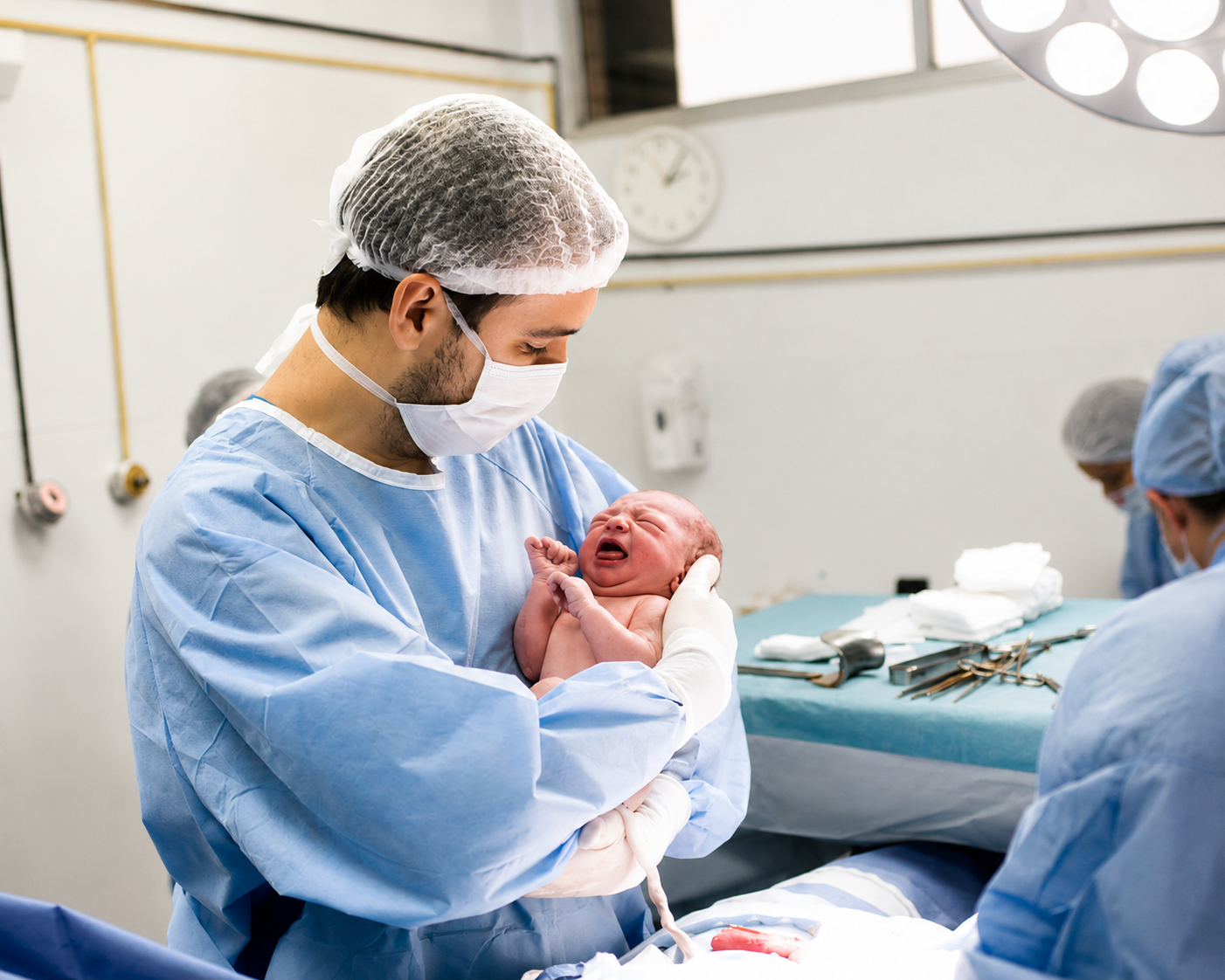
Normal Delivery vs Caesarean: Choosing What’s Best for You

Pregnancy is a beautiful yet challenging journey, and one of the most important decisions expectant mothers face is choosing the right method of delivery. The two most common options are normal vaginal delivery and caesarean section (C-section). Both have their advantages, risks, and considerations, and the choice depends on medical conditions, personal preferences, and expert…

Read More

Joint Replacement Surgery: Regaining Mobility and Quality of Life

When we hear the term “joint pain,” we often think of temporary aches from overuse or minor injuries. But for many individuals, especially those with arthritis or degenerative joint conditions, joint pain can be severe, persistent, and life-limiting. In such cases, joint replacement surgery can offer lasting relief and restore mobility- helping patients return to…

Read More

How to Deal with a Suspected Fracture in Your Child: First Aid to Follow-Up

Kids are naturally energetic, active, and curious, which translates to bruises, bumps, and the occasional worse thing like fractures. Any parent gets a suspected break is sure to be a worrisome experience. While children’s bones are stronger than adults’ because they are more flexible, they are also not finished developing yet, leaving them at risk…

Read More