
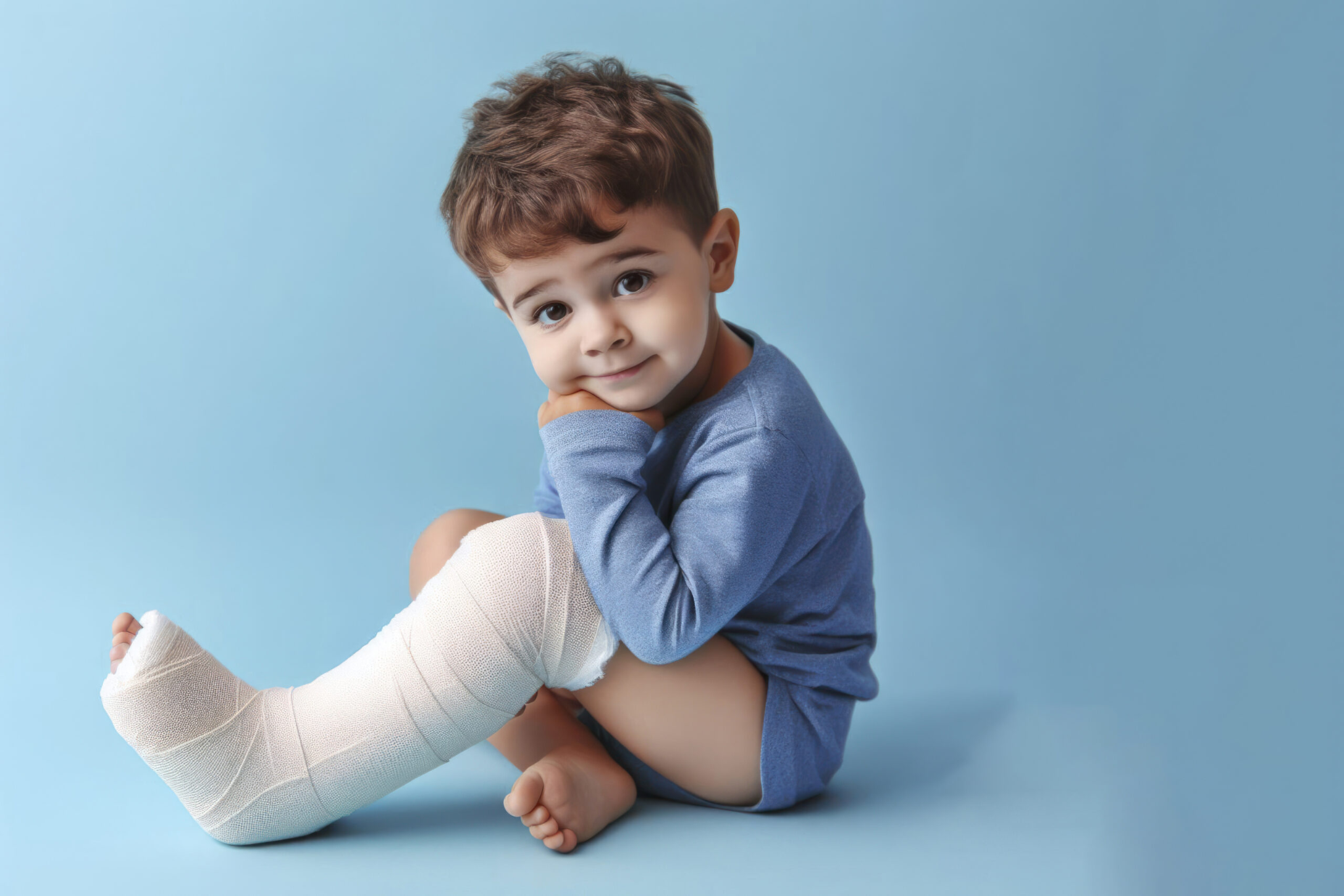
Orthopedic injuries in children—such as fractures, sprains, dislocations, and sports-related trauma—are common due to active play, school sports, and accidental falls. Although children’s bones heal faster than adults’, proper care is essential to ensure complete recovery and prevent long-term complications. With the right medical guidance and home care, parents can significantly improve the speed and quality of healing.
This blog explains practical, medically recommended ways to help your child recover faster after an orthopedic injury while protecting their growing bones and joints.
Understanding Orthopedic Injuries in Children
Children’s bones are softer and contain growth plates, which makes them flexible but also more vulnerable to injury. Common pediatric orthopedic problems include fractures, ligament injuries, sprains, muscle strains, and growth plate damage. Because injuries can affect bone development, early treatment and structured rehabilitation are extremely important.
Prompt diagnosis by a qualified orthopedic doctor helps prevent complications such as improper bone healing, stiffness, weakness, or future joint problems.
Follow Medical Instructions Carefully
The most important factor in recovery is following the orthopaedical doctor’s instructions exactly. Parents should ensure that casts, splints, or braces are used properly and not removed prematurely. Medications should be taken only as prescribed, and follow-up appointments should never be skipped.
Even if your child feels better, internal healing may still be in progress. Returning to sports or rough play too early can cause re-injury and delay recovery.
Focus on Healing Nutrition
Nutrition plays a powerful role in bone and tissue repair. A well-balanced diet supports faster healing and stronger bones.
Key nutrients include:
- Calcium for bone strength (milk, cheese, curd, leafy vegetables)
- Vitamin D for calcium absorption (sunlight, eggs, fortified foods)
- Protein for muscle and tissue repair (pulses, fish, chicken, nuts)
- Vitamin C for collagen formation (oranges, strawberries, tomatoes)
- Zinc and magnesium for cell repair and immunity
Encourage plenty of fluids and limit junk food, which can slow the healing process.
Ensure Proper Rest and Quality Sleep
Rest is when the body rebuilds damaged tissues. Children recovering from orthopaedic injuries need more sleep than usual. A consistent bedtime routine, comfortable positioning, and reduced screen time can improve sleep quality.
If recommended by the doctor, elevating the injured limb can help control swelling and pain, allowing better rest and faster recovery.
Support Physiotherapy and Safe Movement
Once the doctor allows activity, physiotherapy becomes a crucial part of recovery. Gentle, supervised exercises restore flexibility, rebuild strength, improve balance, and prevent stiffness.
Parents should motivate children to attend therapy sessions regularly and perform home exercises correctly. However, pushing too hard or skipping professional guidance can do more harm than good. Recovery should always be gradual and controlled.
Manage Pain and Swelling Effectively
Pain control improves comfort and helps children participate in rehabilitation. Ice packs, limb elevation, and doctor-approved medications are commonly used to manage discomfort and inflammation.
Never apply heat, massage, or medicines without consulting your child’s orthopedic doctor. A sudden increase in pain, swelling, or redness should be evaluated immediately.
Protect the Injury During Healing
Children may forget they are injured and return to high-risk activities too soon. Parents should make sure protective supports such as casts, slings, or braces are used properly.
Inform teachers and sports coaches about your child’s restrictions. Modify the home environment to prevent falls, and encourage safe activities like reading, drawing, or board games until the doctor gives full clearance.
Care for Emotional Well-Being
An injury can be emotionally challenging for a child. Limited mobility and time away from sports or friends may cause frustration or sadness. Emotional support is just as important as physical treatment.
Encourage positive thinking, celebrate small improvements, and keep your child socially connected. A healthy mindset reduces stress and contributes to better physical healing.
Conclusion: The Right Orthopedic Care Makes All the Difference
Helping your child recover faster after an orthopedic injury requires a combination of expert medical care, proper nutrition, structured rehabilitation, protective measures, and emotional support. Early diagnosis and a personalized treatment plan are critical for protecting growing bones and ensuring your child returns safely to daily activities and sports.
If your child has experienced a fracture, joint injury, or sports-related orthopaedical problem, consulting a qualified specialist can significantly improve recovery outcomes.
Dr. Rajeev Nirawane offers comprehensive orthopedic care focused on accurate diagnosis, child-friendly treatment, and long-term musculoskeletal health.
📍 Clinic Address:
110, Khinvasara Trade Centre, Datta Mandir Rd,
Mangal Nagar, Thergaon, Pimpri-Chinchwad,
Maharashtra 411033
Timely consultation, professional guidance, and proper follow-up can help your child heal faster, regain confidence, and grow with strong, healthy bones.