
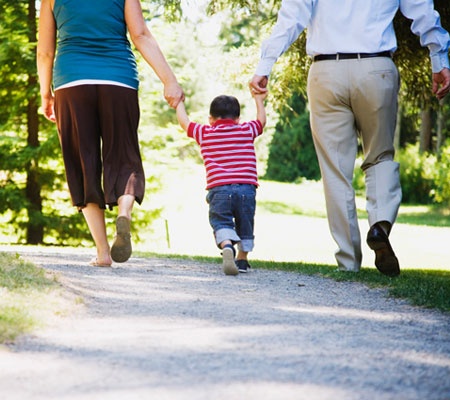
Is Your Child’s Walking Pattern Normal? A Complete Parent’s Guide to Gait Concerns
Seeing your child learn to walk is an exciting and emotional milestone. As they begin to move more independently, you may notice certain walking habits that seem unusual. Some children walk on their toes, while others turn their feet inward or outward.
These differences can naturally raise concerns for parents. The key is understanding whether these walking patterns are a normal part of development or something that requires medical attention.
Understanding Gait in Children
“Gait” refers to the way a person walks. In children, gait keeps changing as their bones, muscles, and coordination develop. It is completely normal for toddlers to have slightly unsteady or uneven walking styles in the early stages.
However, if certain patterns continue beyond the expected age or are accompanied by discomfort, they may indicate a gait-related issue that needs evaluation.
Common Walking Patterns Seen in Children
Children may display different walking variations during their growth. Some of the most commonly observed patterns include:
Toe Walking
Some children walk on the front part of their feet without placing their heels on the ground. This is common in early walkers and often resolves naturally.
If toe walking continues beyond the age of 2–3 years, it may need medical evaluation. Possible reasons include muscle tightness, habit formation, or, in rare cases, neurological conditions.
Inward Turning of Feet (In-Toeing)
In this pattern, the child’s feet point inward while walking. It often becomes more noticeable when the child is running or tired.
It may occur due to natural twisting in the thigh bone, shin bone, or foot structure. In most cases, it improves gradually as the child grows and usually does not require treatment.
Outward Turning of Feet (Out-Toeing)
Here, the child’s feet point outward instead of straight ahead. This can be due to hip positioning, muscle imbalance, or structural differences.
Mild cases are usually harmless, but persistent or worsening out-toeing should be evaluated by a specialist.
Limping
Limping is not considered a normal variation and should never be ignored. It may indicate pain, injury, or an underlying condition.
Children may limp due to minor injuries, infections, or joint-related problems. Immediate medical attention is recommended if limping appears suddenly.
Frequent Tripping or Poor Balance
If your child frequently falls, struggles with balance, or appears less coordinated than other children, it may be due to muscle weakness or delayed motor development.
Early intervention can help improve strength, coordination, and confidence.
When Should You Seek Medical Advice?
While many walking patterns are temporary, certain signs should not be ignored. Consult a doctor if you notice:
- Walking differences that do not improve with age
- Complaints of pain during movement
- Unequal leg length or posture issues
- Repeated falls or frequent clumsiness
- Stiff or restricted movements
- Sudden changes in walking style
Timely consultation helps in identifying any underlying issue early.
What Causes Gait Problems in Children?
Walking irregularities can develop due to several reasons, including:
- Natural developmental variations
- Muscle tightness or weakness
- Bone alignment differences
- Neurological conditions affecting coordination
- Injuries or infections
Understanding the exact cause is essential for proper treatment and management.
How Are Gait Issues Diagnosed?
A specialist will carefully evaluate your child’s walking pattern and overall development. This may include:
- Observing how the child walks and runs
- Checking joint movement and muscle strength
- Reviewing medical history
- Recommending imaging tests if required
This thorough assessment helps determine whether the condition is temporary or requires treatment.
Treatment Options for Gait Disorders
Treatment depends on the cause and severity of the condition. Common options include:
Observation
Many children naturally outgrow mild walking differences without any treatment.
Physiotherapy
Targeted exercises can improve flexibility, strength, and coordination.
Supportive Devices
Braces or corrective footwear may be recommended in some cases to improve alignment.
Medication
If pain or inflammation is present, medications may be prescribed.
Surgical Intervention
In rare cases, surgery may be required for structural issues that do not improve with other treatments.
Simple Ways Parents Can Help
Parents can support their child’s walking development with simple steps:
- Allow safe barefoot walking indoors to strengthen foot muscles
- Choose comfortable and well-fitted footwear
- Encourage active play like running and climbing
- Avoid rushing developmental milestones
- Observe changes in walking patterns regularly
Why Early Attention Matters
Ignoring abnormal walking patterns can sometimes lead to complications later in life. Early identification allows for timely and effective correction.
Every child develops at their own pace. While many walking differences are harmless, staying observant ensures healthy growth and development.
When in Doubt, Consult a Specialist
If you are concerned about your child’s walking pattern, seeking professional advice is always the best step. Early consultation provides reassurance and ensures the right care if needed.
Visit:
Shop No. 225, KHINVASARA TRADE CENTER (KTC), Near Dange Chowk Rd, Mangal Nagar, Wakad, Pune, Pimpri-Chinchwad, Maharashtra 411033
Mobile No: +919503214396
Also available at:
110, KHINVASARA TRADE CENTER, Datta Mandir Rd, Mangal Nagar, Thergaon, Pimpri-Chinchwad, Maharashtra 411033
Mobile No: +917888038037